
A Frustrating Problem That's More Common Than You Think
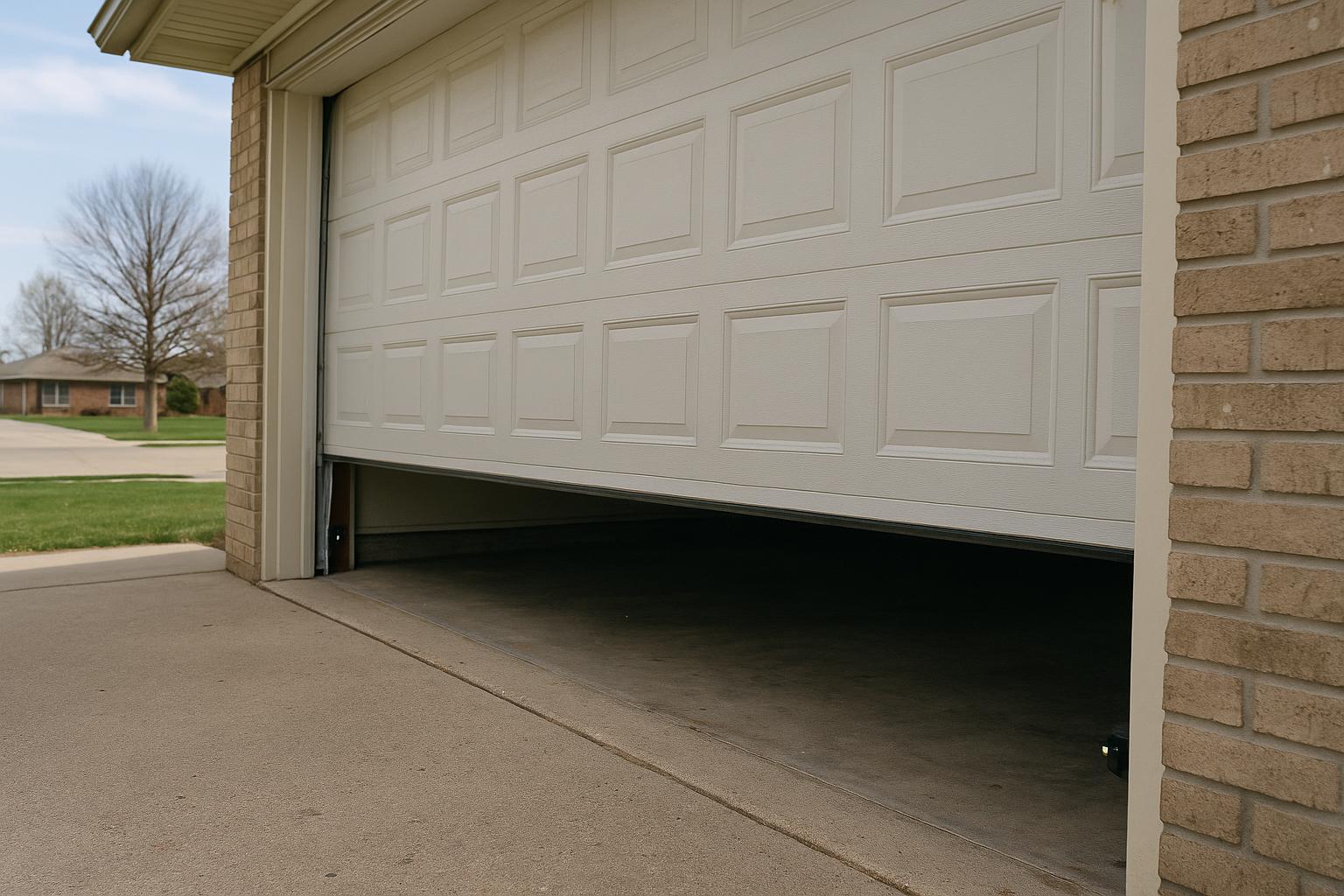
You press the button on your garage door remote, watch the door start its descent, and then — just before it reaches the floor — it suddenly reverses and goes right back up. If this scenario sounds familiar, you're not alone. This is one of the most common garage door complaints we hear from homeowners across Canton, OH, and it can range from a simple fix to something that requires professional attention.
The good news is that your garage door is actually doing its job. Modern garage door openers are equipped with safety features designed to reverse the door when they detect an obstruction or a malfunction. The bad news is that figuring out why it's reversing can be a process of elimination. Let's walk through the most common causes and what you can do about each one.
Misaligned Safety Sensors
This is the number one reason garage doors reverse before closing completely. Federal law has required photo-eye safety sensors on all residential garage door openers manufactured after 1993. These small sensors sit near the bottom of your garage door tracks on either side, and they project an invisible beam across the opening. If anything breaks that beam — a child, a pet, a trash can — the door reverses to prevent injury or damage.
The problem is that these sensors can become misaligned over time. A bump from a bike tire, vibrations from daily use, or even temperature changes in a Canton winter can shift them just enough to break the beam. When the sensors can't "see" each other, your opener interprets it as an obstruction and reverses the door.
What You Can Do
- Check that both sensors have a steady light (usually green on one and amber on the other). A blinking light typically indicates misalignment.
- Gently adjust the sensors so they point directly at each other. Use a level if needed.
- Clean the sensor lenses with a soft cloth. Dust, cobwebs, and dirt can block the beam.
- Make sure no objects are sitting in the path between the two sensors.
Incorrect Close-Limit Settings
Your garage door opener uses limit settings to determine how far the door should travel before it's considered fully open or fully closed. If the close-limit setting is off, the opener may think the door has hit an obstruction when it's actually just reaching the floor. The motor applies extra force, the safety mechanism kicks in, and the door reverses.
This issue commonly shows up after a new opener installation or when homeowners in areas like North Canton, Massillon, or Jackson Township have recently had their garage door replaced without recalibrating the opener.
What You Can Do
- Consult your opener's manual for instructions on adjusting the close-limit switch. Most models have a small screw or dial on the motor unit.
- Make small adjustments — usually a quarter turn at a time — and test the door after each change.
- If you're unsure about the process, this is a good time to call a professional to avoid creating new problems.
Worn or Broken Springs
Garage door springs carry the heavy lifting — literally. They counterbalance the weight of the door so the opener doesn't have to do all the work. When springs wear out or break, the door becomes significantly heavier. Your opener may struggle to control the descent, detect excessive resistance, and trigger a reversal.
Spring issues are especially common during extreme temperature swings, which we certainly experience here in Stark County. Cold weather makes metal more brittle, and springs that have been under tension for years are particularly vulnerable during winter months.
What You Can Do
- Do not attempt to replace garage door springs yourself. These components are under extreme tension and can cause serious injury if handled improperly.
- Look for visible gaps in torsion springs mounted above the door, or stretched-out extension springs along the tracks.
- If you suspect a spring issue, call a qualified garage door technician for a safe replacement.
Problems With the Tracks
Your garage door travels along metal tracks on either side of the opening. If those tracks are bent, dented, or clogged with debris, the door can bind or stick during operation. When the opener senses this resistance, it reverses the door as a safety precaution.
What You Can Do
- Visually inspect the tracks for obvious bends, dents, or gaps where the track sections meet.
- Remove any debris, leaves, or small objects that may have accumulated in the tracks.
- Check that the tracks are properly secured to the wall with their mounting brackets.
- Minor track issues can sometimes be resolved with a rubber mallet, but significant damage usually requires professional repair or replacement.
Roller and Hinge Wear
Over time, the rollers that guide your garage door along the tracks can wear down, crack, or seize up. Similarly, hinges between door panels can become stiff or corroded. Both issues increase friction and resistance, which can trigger the opener's auto-reverse feature.
Homeowners in Louisville and Green often ask us about strange grinding or squealing noises that accompany a reversing door. In many cases, worn rollers are the culprit. Nylon rollers tend to last longer and operate more quietly than steel ones, and upgrading can make a noticeable difference.
Opener Motor or Logic Board Issues
If you've checked everything above and your door is still reversing, the problem may be with the opener itself. The motor could be failing, or the logic board — the electronic brain of the opener — could be malfunctioning. Electrical surges, age, and general wear can all contribute to these issues.
Signs that your opener may be the problem include inconsistent behavior (works sometimes but not others), unusual clicking sounds from the motor unit, or the door reversing at different points each time rather than consistently at the same spot.
When to Call a Professional
Some of the fixes above are simple enough for a handy homeowner to tackle. Cleaning sensors, removing debris from tracks, and making minor limit adjustments are all reasonable DIY tasks. However, there are situations where professional help is the smart choice:
- Anything involving springs or high-tension components
- Significant track damage or misalignment
- Electrical or logic board issues with the opener
- When you've tried basic troubleshooting and the problem persists
At Canton Garage Door, we help homeowners and businesses throughout Canton and the surrounding Stark County area diagnose and fix exactly these kinds of issues. Our technicians can quickly identify the root cause and get your door operating safely again — usually in a single visit.
Prevention Is Always Easier Than Repair
The best way to avoid a garage door that reverses unexpectedly is regular maintenance. An annual tune-up that includes lubricating moving parts, testing the safety sensors, inspecting springs and cables, and checking the opener's settings can catch small problems before they turn into frustrating malfunctions.
If your garage door has been giving you trouble, don't ignore it. A reversing door is your system's way of telling you something needs attention. Address it early, and you'll save yourself time, money, and the headache of being stuck with a door that won't close on a cold Ohio evening.